

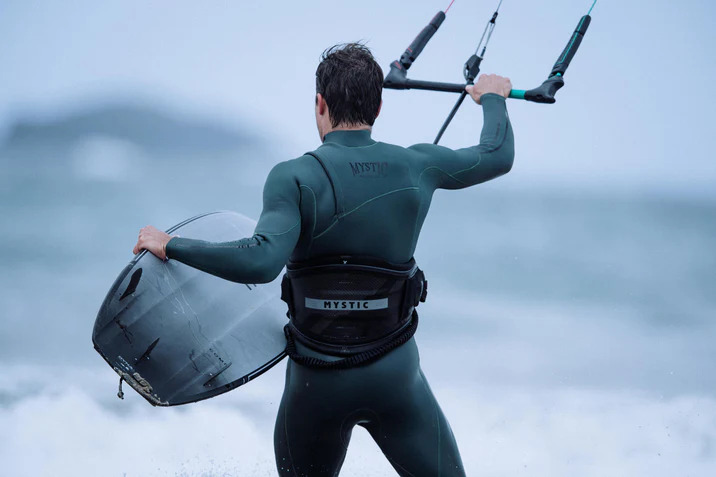
We help you choose the right kitesurf harness!
A kitesurf harness is an essential part of your gear as a kitesurfer. Choosing the right kitesurf harness is crucial, whether you're a beginner or an expert. In this blog, we explain the different types of kitesurf harnesses, which one suits you best, and what to look for when trying on a kitesurf harness.

What is a kitesurf harness?
A kitesurf harness is a piece of equipment that you wear around your waist or hips. The harness connects you to the chicken loop of your kite bar via a hook or slider. The kite’s power is evenly distributed across your body, so you don’t have to rely solely on your arms to hold the kite. This provides better control while kitesurfing and reduces fatigue.
Different Types of Kitesurf Harnesses
There are two types of kitesurf harnesses:

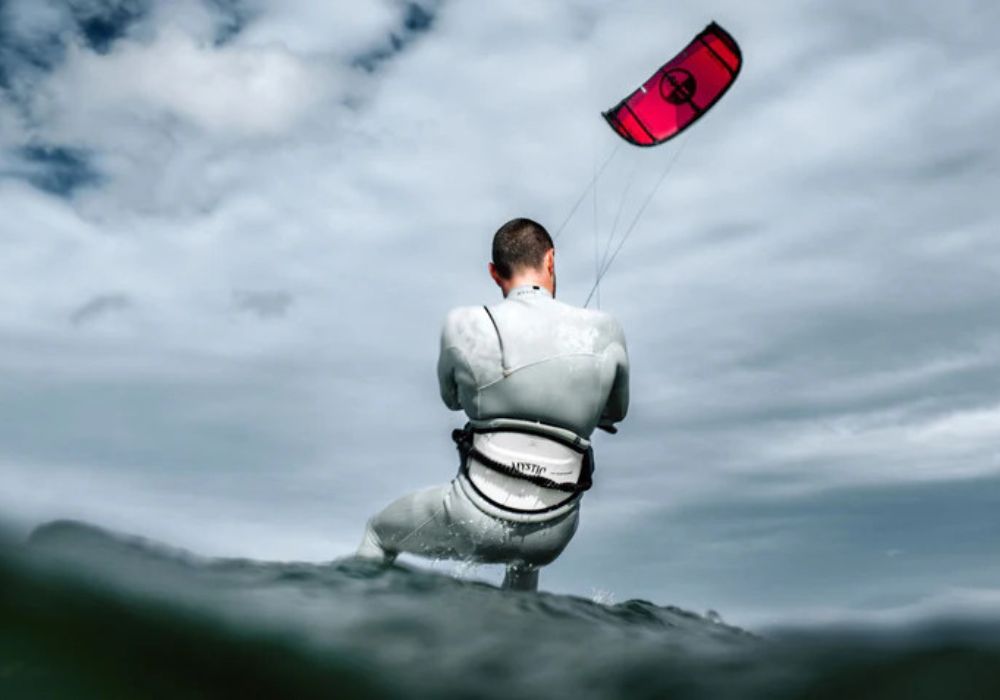
Waist Harness
The waist harness is the most popular choice for kitesurfers, especially for advanced riders. This harness provides good back support and allows for greater freedom of movement, which is essential for performing various tricks and maneuvers. The waist harness is more comfortable for longer sessions, as the pressure is better distributed across your hips.
'More Fun with the Right Kitesurf Harness'
Two Types of Waist Harnesses
Within kitesurf waist harnesses, you can choose between a hardshell and a softshell. Both have their own advantages.
- Hardshell Harness: The hardshell harness is made from durable, rigid materials, making it lighter and stiffer. The stiffness prevents the harness from compressing, distributing pressure more evenly and allowing for greater freedom of movement. This type of harness is usually more expensive but offers excellent performance and comfort, especially for experienced kitesurfers.
- Softshell Harness: The softshell harness is a more budget-friendly alternative. These harnesses are less rigid but still provide comfort and support. They are more flexible but may distribute pressure slightly less effectively than hardshell models.
Choosing the Right Size Kitesurf Harness
One of the most important aspects of selecting the right harness is the size. A harness that is too large can shift and cause discomfort. Ensuring a proper fit and size is crucial. Below are key tips for fitting a kitesurf harness:
- Elastic Velcro (hook-and-loop strap): Make sure it fits tightly around your body and that the Velcro fastens evenly and securely.
- Webbing: Pull the webbing tight. Use one hand to apply more force and ensure the spreader bar is centered on your body, with both sides equally tightened.
- Finger Test: A useful way to check the size of your harness is by testing the webbing at the sides. Can you fit three fingers over the webbing? If so, you have the right size. If you can fit more than three fingers, the harness is too small.
- Comfort: Your harness should fit snugly but remain comfortable. Once hooked in, the kite’s force will relieve pressure from your abdomen. Ensure there are no pressure points on your ribs or back. If you feel discomfort, try a different fit.
Conclusion
Choosing the right kitesurf harness is essential for your comfort and control while kitesurfing. Whether you opt for a seat harness or a waist harness, or choose a hardshell or softshell, the right size and fit are crucial. Take the time to try on your harness and make sure you don’t experience any uncomfortable pressure points.
Still unsure about which harness is best for you? Visit our surf shop to try different models and receive personal advice from our experienced staff. Test the harness yourself and make your kitesurfing experience even more enjoyable!